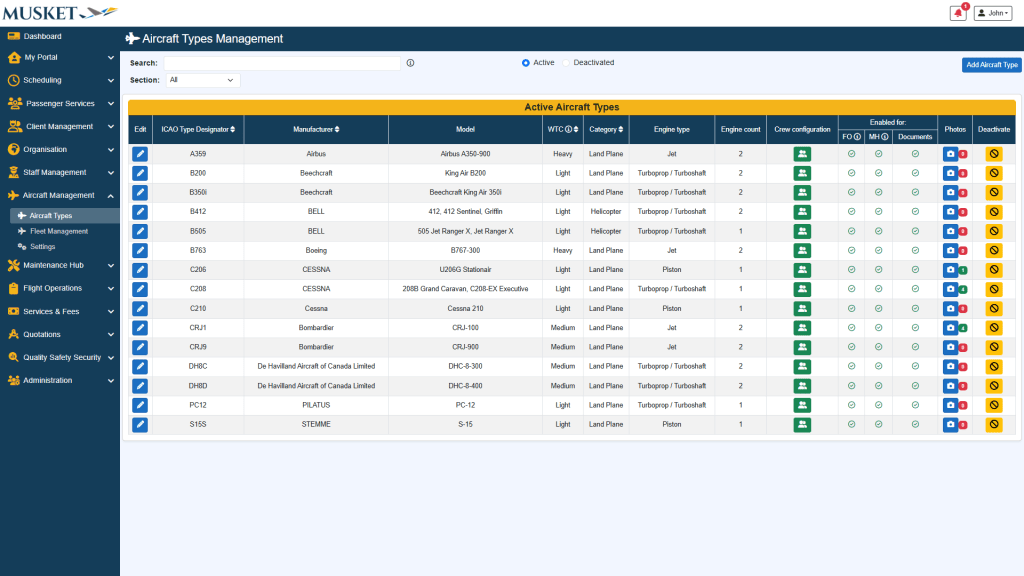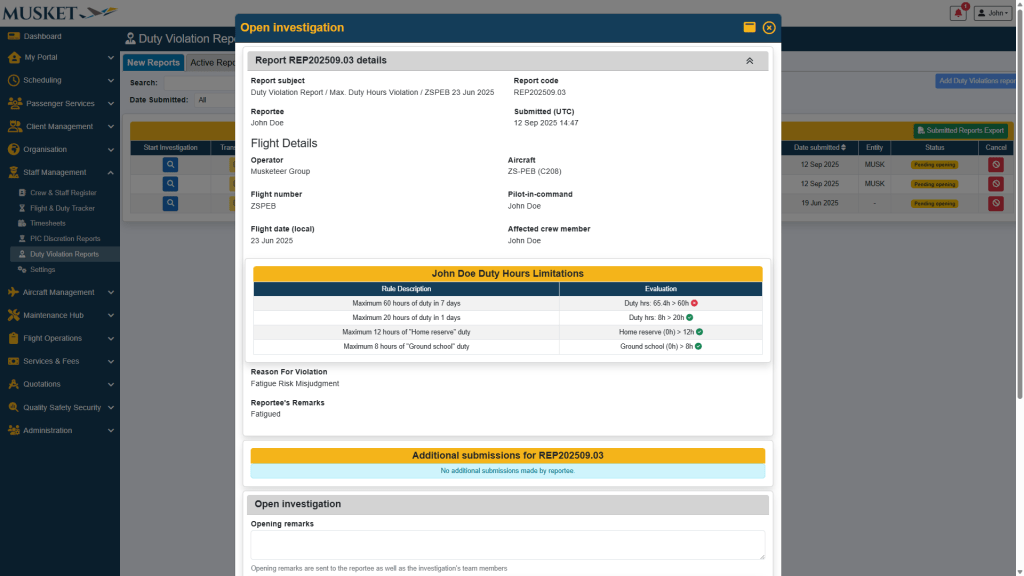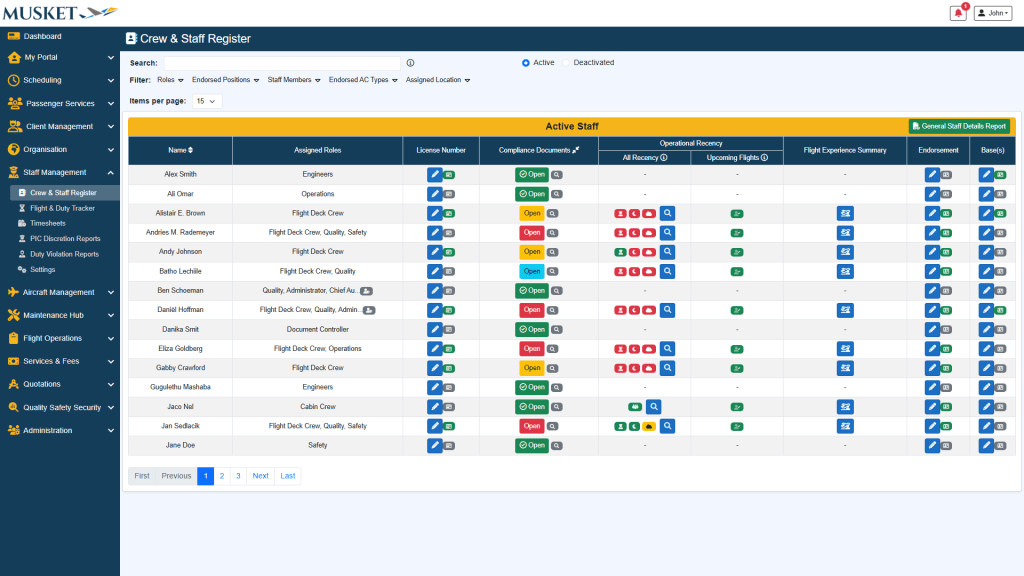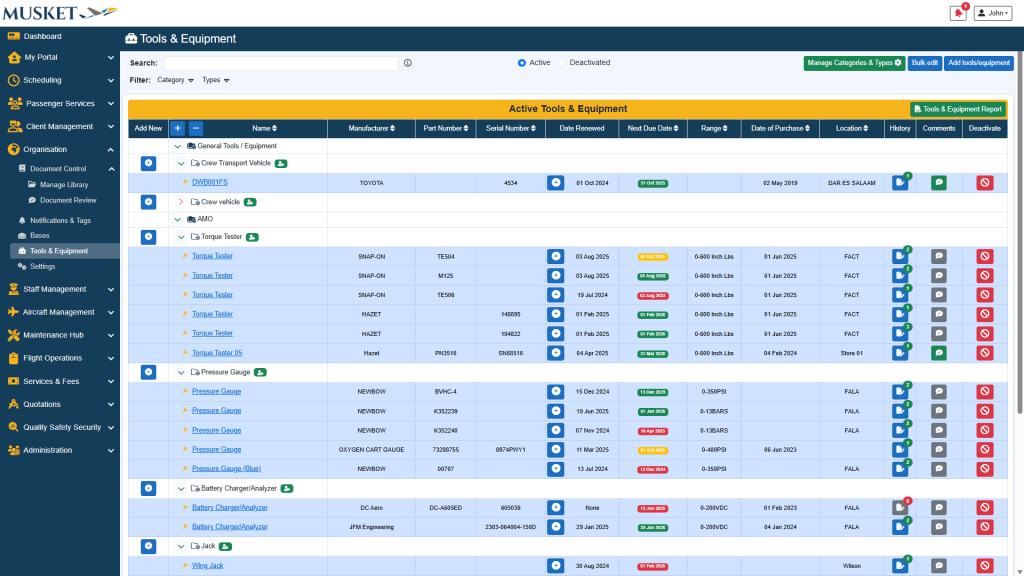
In the high-stakes world of aviation, regulatory compliance isn’t just a box to tick—it’s a core pillar of safe, efficient, and successful operations. As operators expand internationally and new technologies disrupt traditional practices, navigating global aviation regulations has never been more critical—or more complex. Whether you’re a commercial airline, charter service, or business aviation provider, understanding this landscape is key to staying compliant, competitive, and future-ready.
At Musket Flight Management System, we believe that technology should make compliance simpler, not harder. So here’s your essential briefing on how to navigate the intricate web of international aviation laws, jurisdictional hurdles, and emerging regulatory trends.
1. The Foundation: International Standards and ICAO’s Global Framework
The International Civil Aviation Organization (ICAO)—a specialized UN agency—provides the global backbone of aviation regulation. Its 19 Annexes, ranging from pilot licensing (Annex 1) to safety management systems (Annex 19), set the Standards and Recommended Practices (SARPs) that national aviation authorities adopt and enforce.
These SARPs ensure uniform competency, safety, and interoperability worldwide. Whether you’re operating a regional turboprop or a multi-jet fleet, ICAO’s framework is your starting point for compliance across borders.
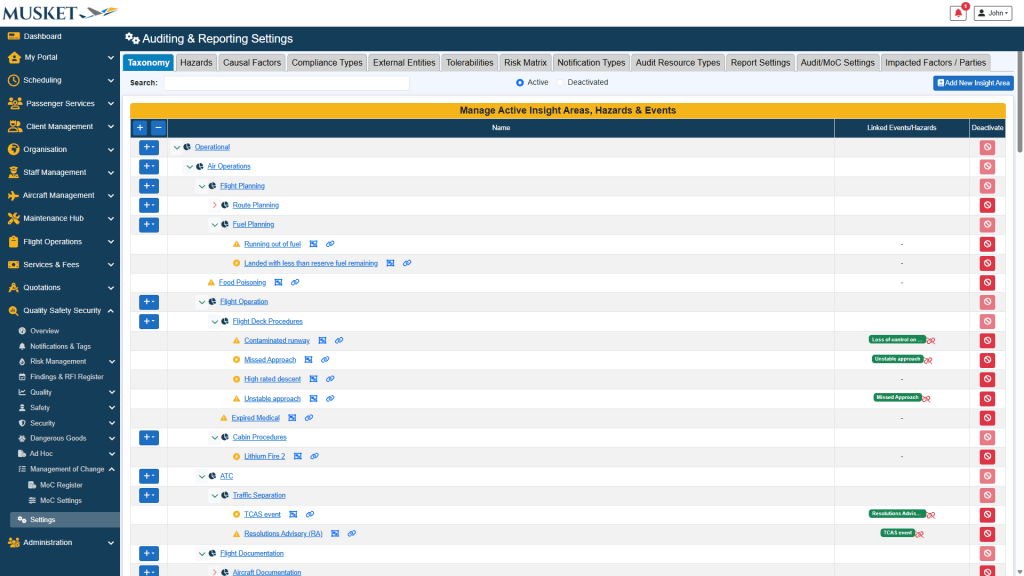
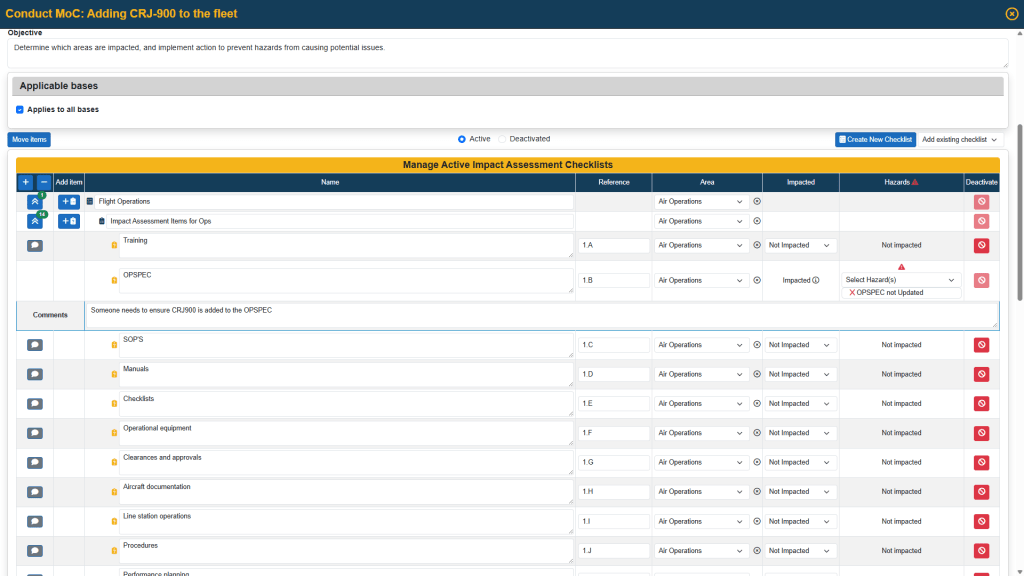
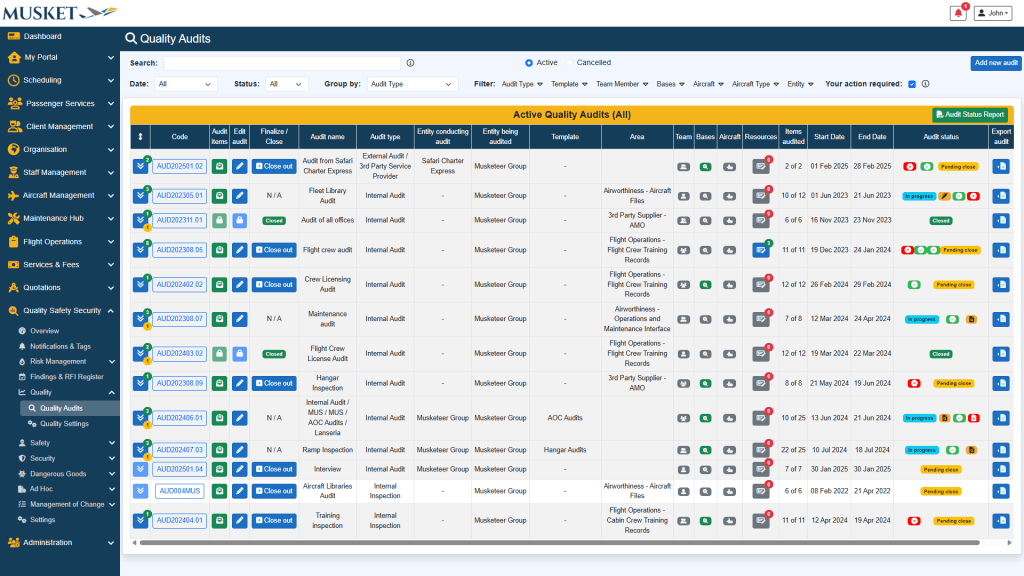
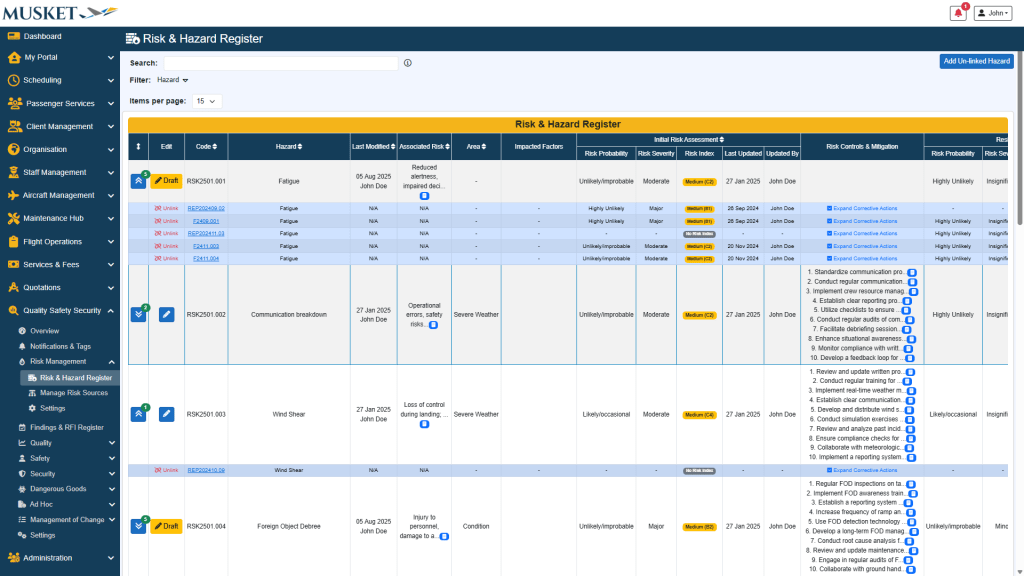
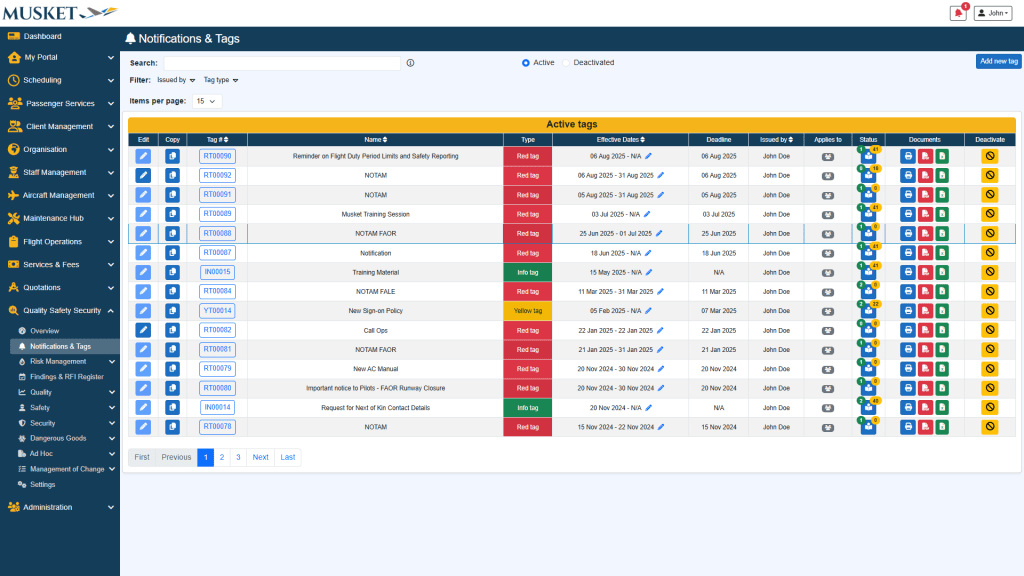
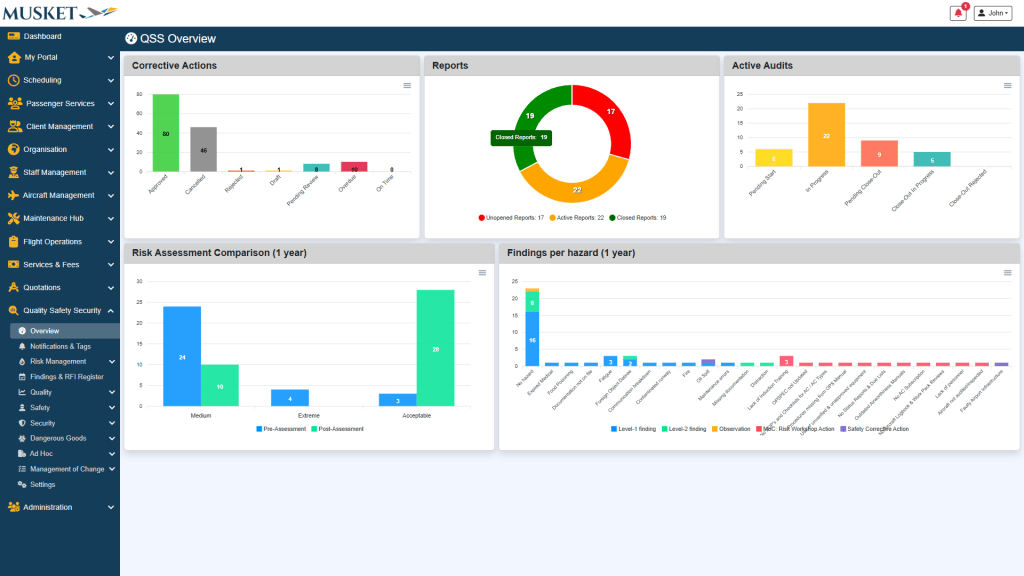
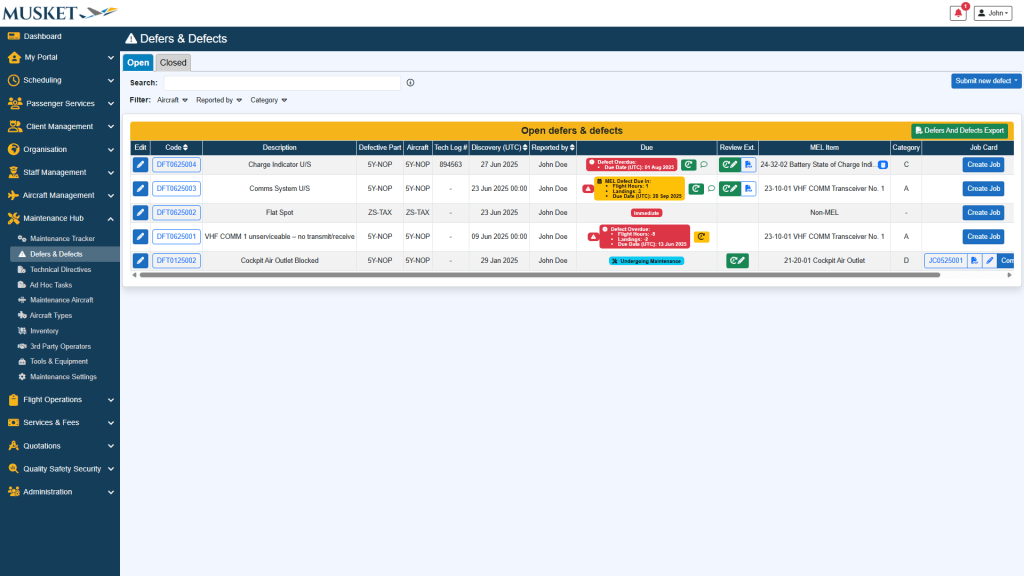
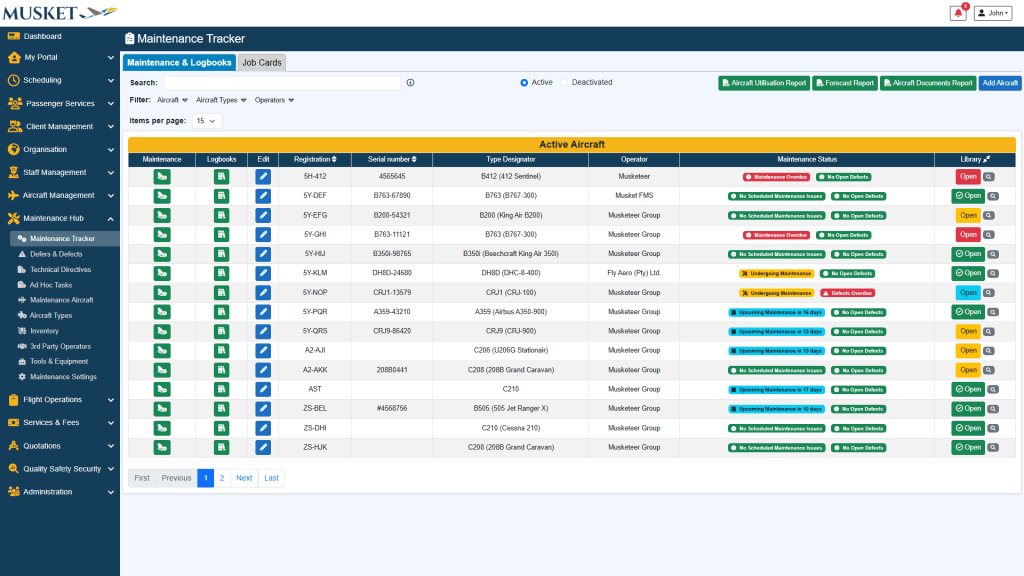
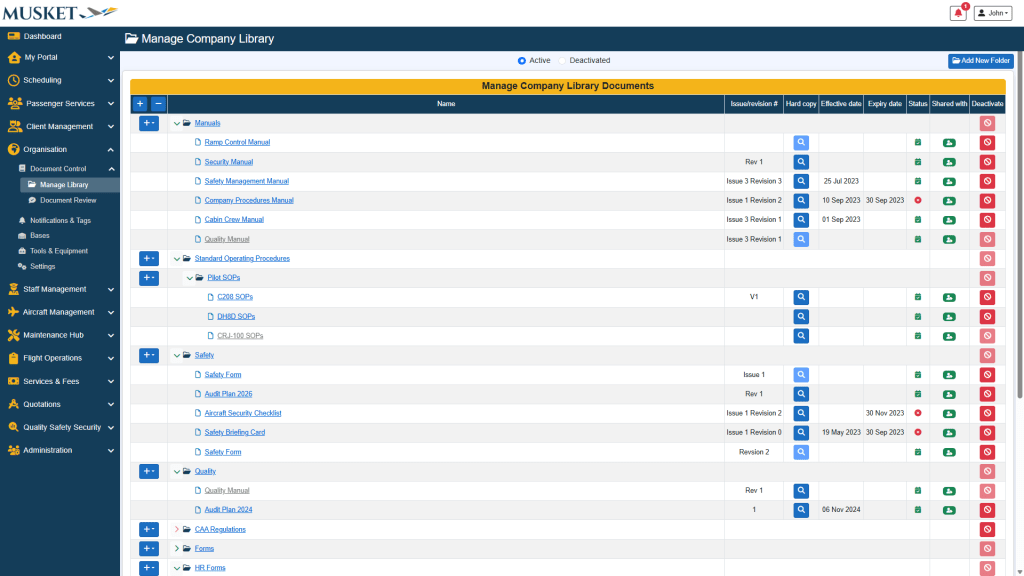
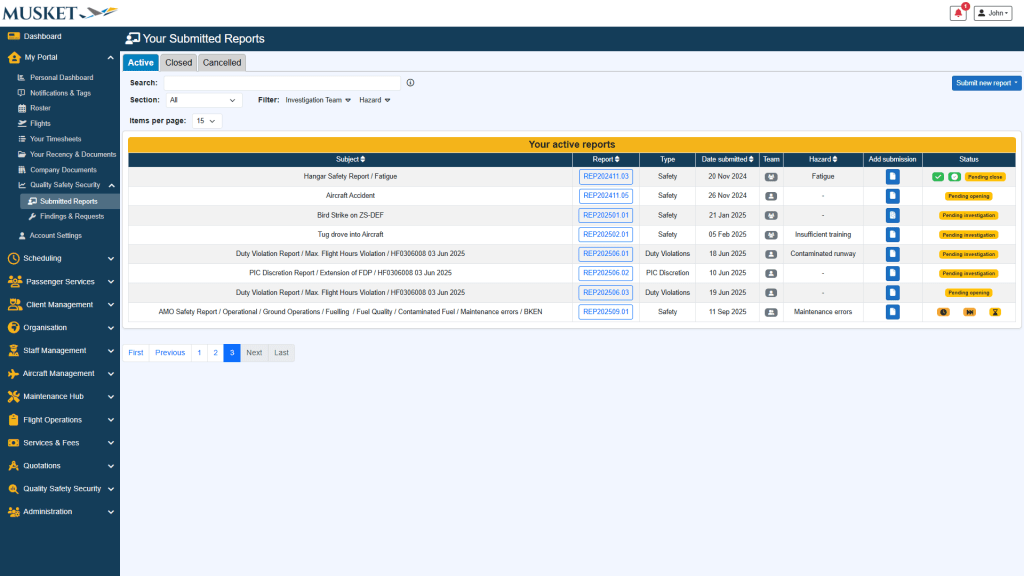
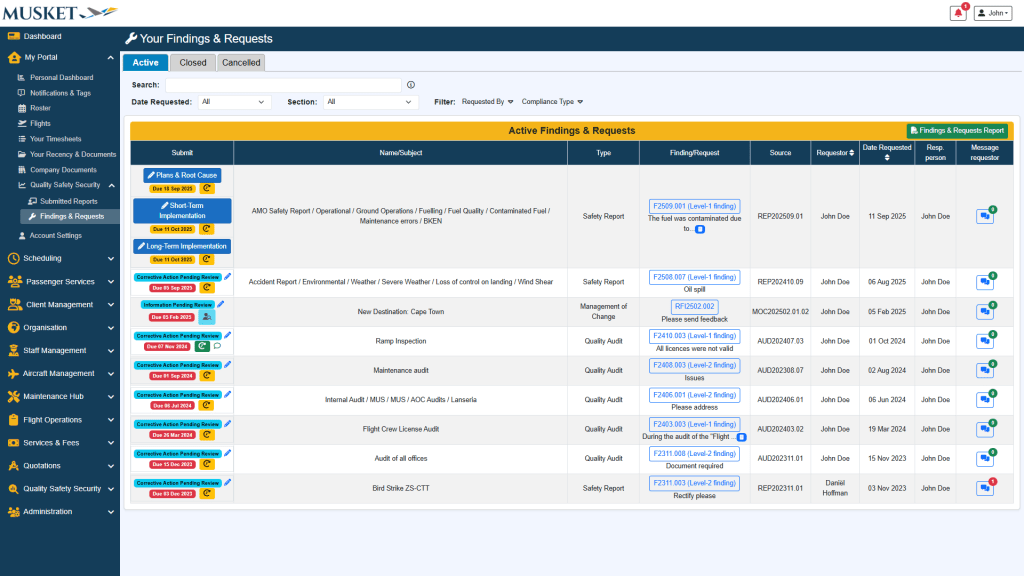
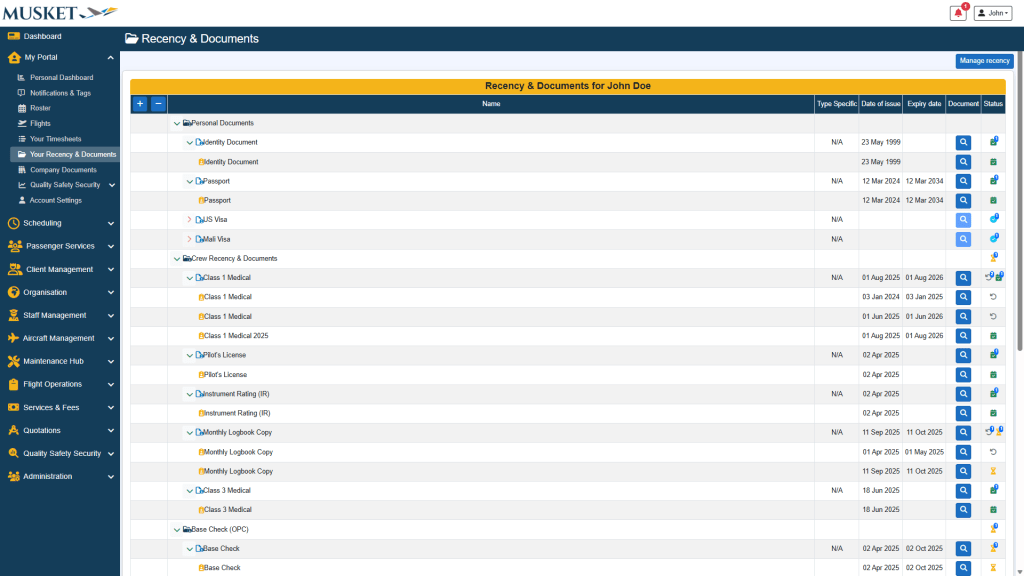
Musket Tip: Use our integrated compliance tools to align your crew qualifications, flight ops, and aircraft records with ICAO standards automatically—saving time and reducing audit risk.
2. Environmental Compliance & Emissions Regulations: The New Frontier
As climate change takes center stage, aviation regulators are intensifying efforts to curb emissions. Business aviation, in particular, is under increasing scrutiny with expanding mandates like:
- CORSIA (Carbon Offsetting and Reduction Scheme for International Aviation)
- EU & UK Emissions Trading Schemes (ETS)
- Portugal’s Carbon Tax
- SAF Mandates (Sustainable Aviation Fuel requirements)
These schemes demand precise monitoring, documentation, and reporting—often with no room for error.
Musket Tip: Stay ahead of environmental regulations by using Musket’s emissions tracking module. Whether you’re fueling up in France or flying over the Atlantic, our tools help you prove compliance and optimize sustainability.
3. The Rise of Technology and Its Impact on Compliance
AI and automation are redefining aviation, but they come with compliance questions of their own. How much automation is too much? Are pilots still proficient when the tech fails? As we edge closer to full-flight autonomy, regulators may soon introduce new requirements around simulator training, manual reversion skills, and AI oversight.
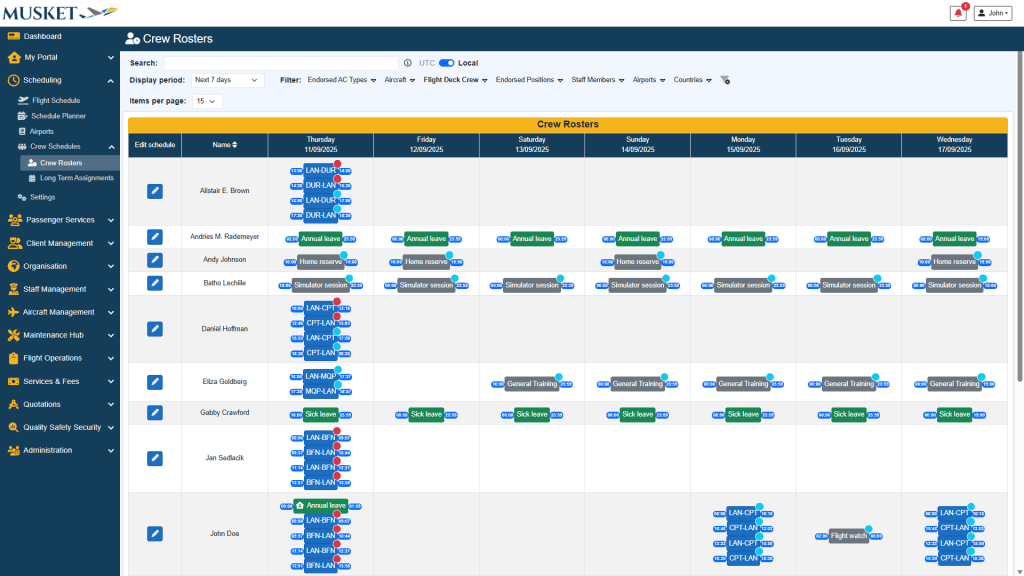
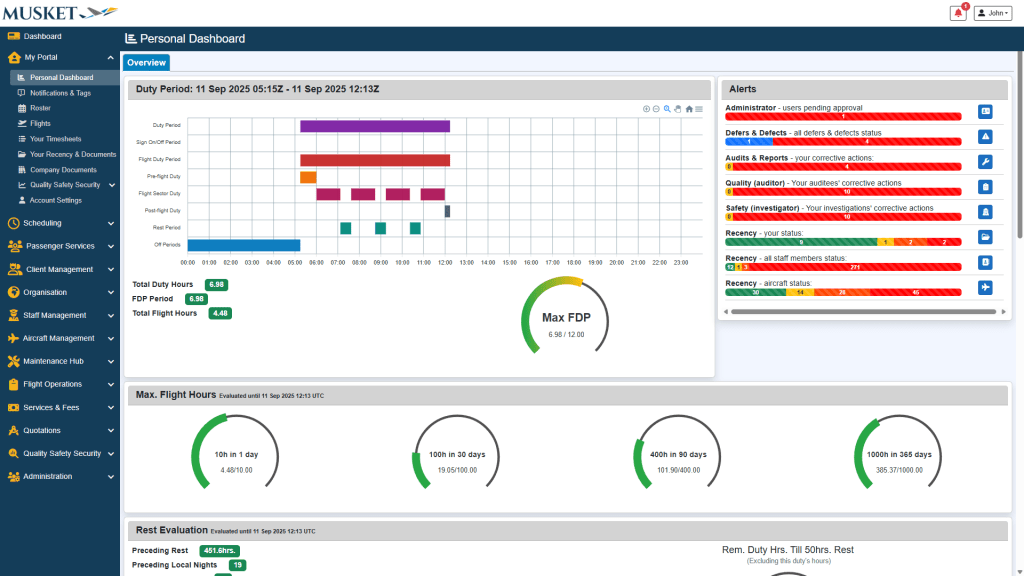
Musket Tip: Use our customizable training matrix to keep pilot skills current—balancing human judgment with technological precision.
4. Why a Unified Compliance Strategy Matters
Global operations mean working across jurisdictions, languages, and legal philosophies. But the goal remains the same: safe, secure, sustainable flight. From the FAA to EASA, ICAO to local CAAs, the best way to manage it all is through a centralized, digital-first compliance strategy.
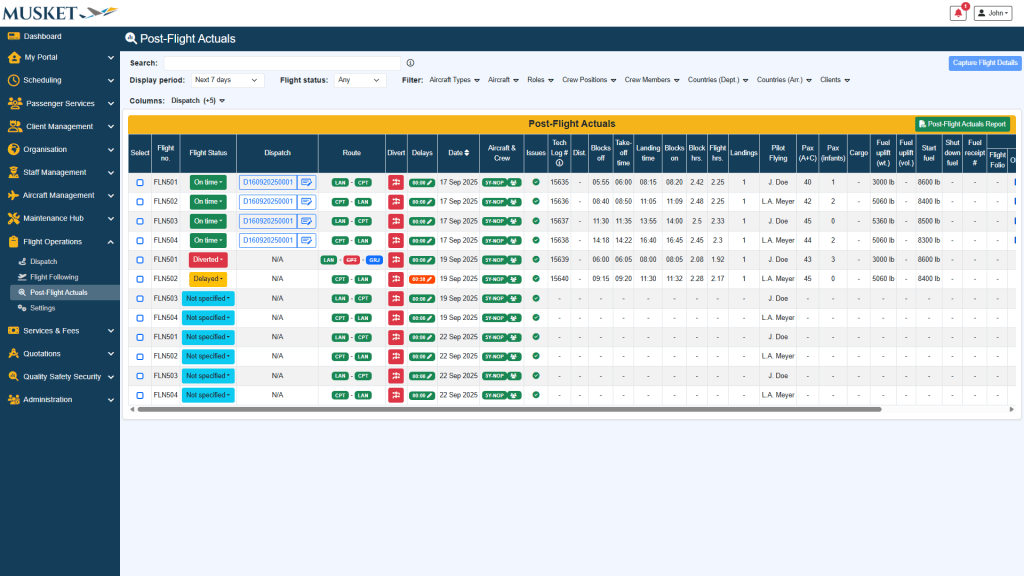
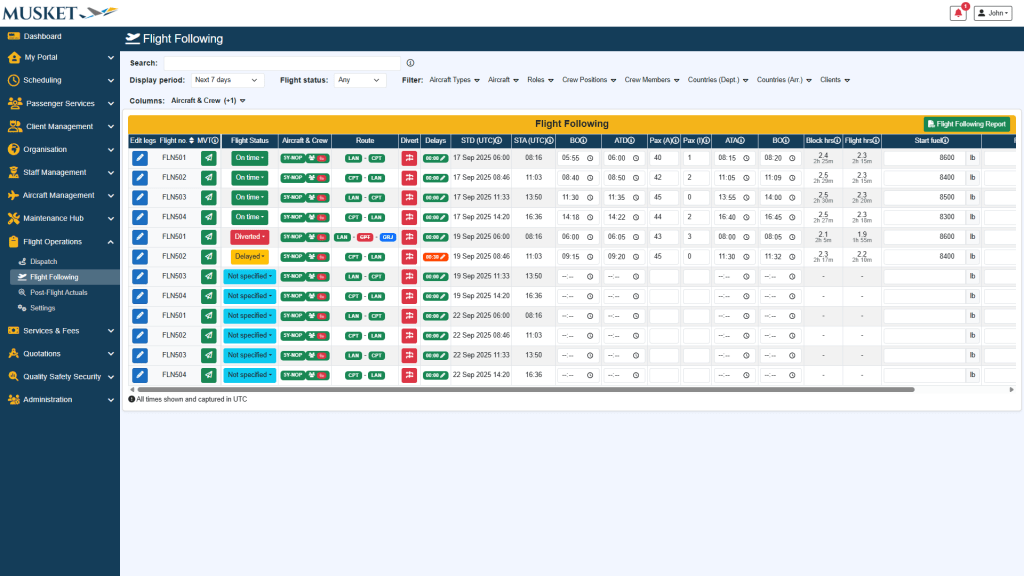
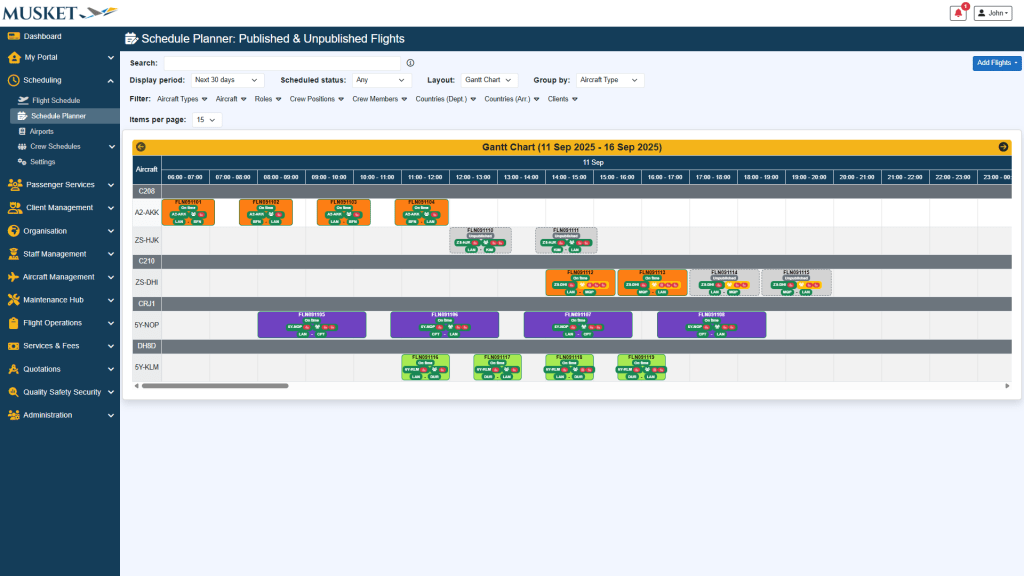
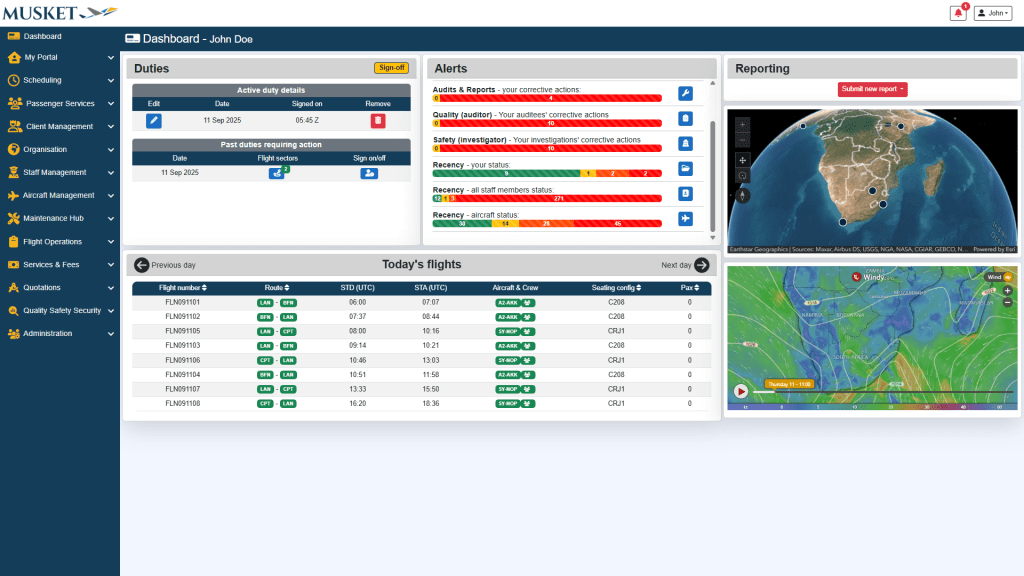
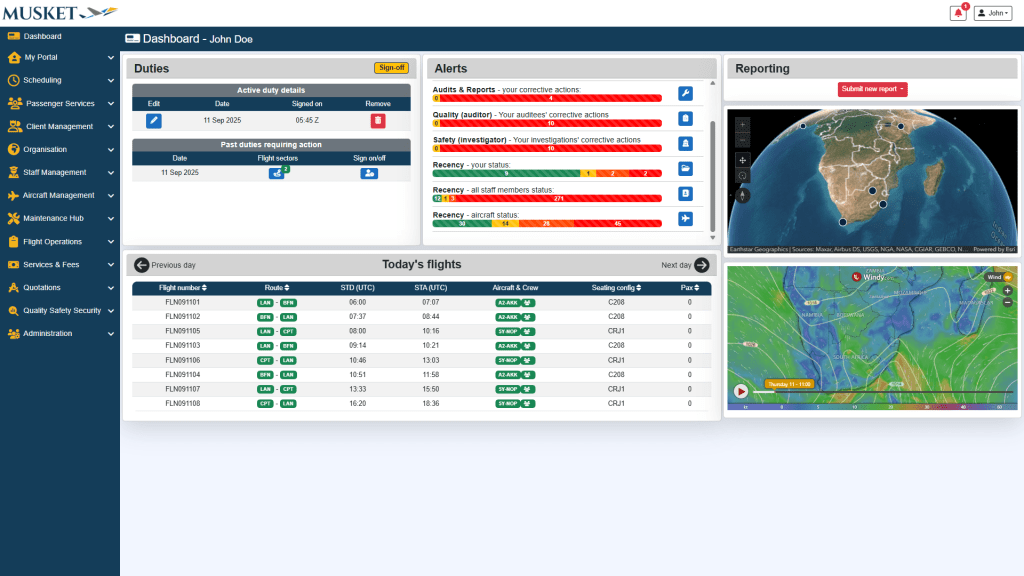
At Musket FMS, we’re building that future. Our platform not only streamlines operations—it embeds compliance at every level, from pre-flight checks to post-flight audits.
Ready to Simplify Your Regulatory World?
Navigating aviation regulation doesn’t have to be a maze. With Musket Flight Management System, operators get a partner that understands both the air and the law.
Whether you’re scaling regionally or expanding globally, let’s build a compliance strategy that soars.